


Above Ground Fire Hydrant
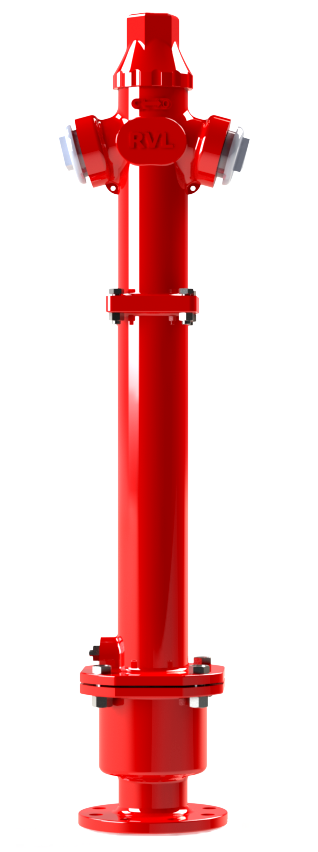
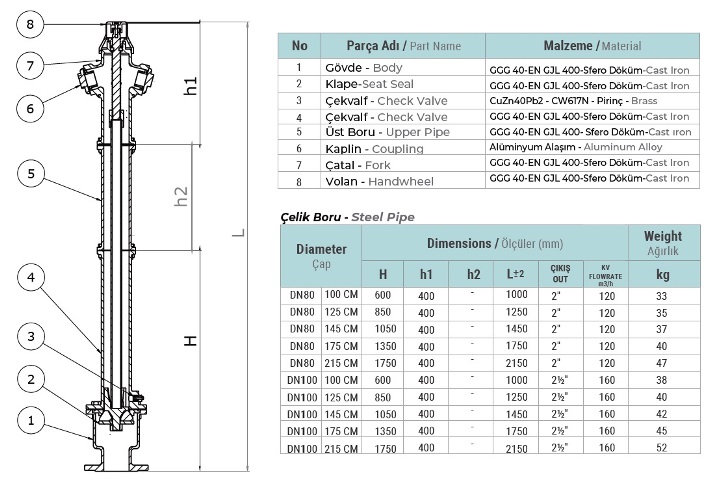
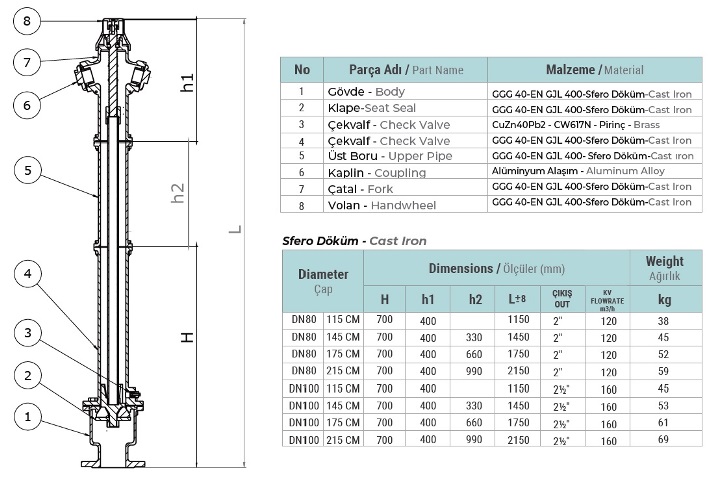
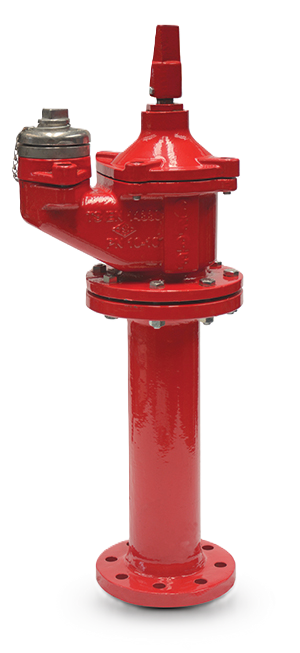
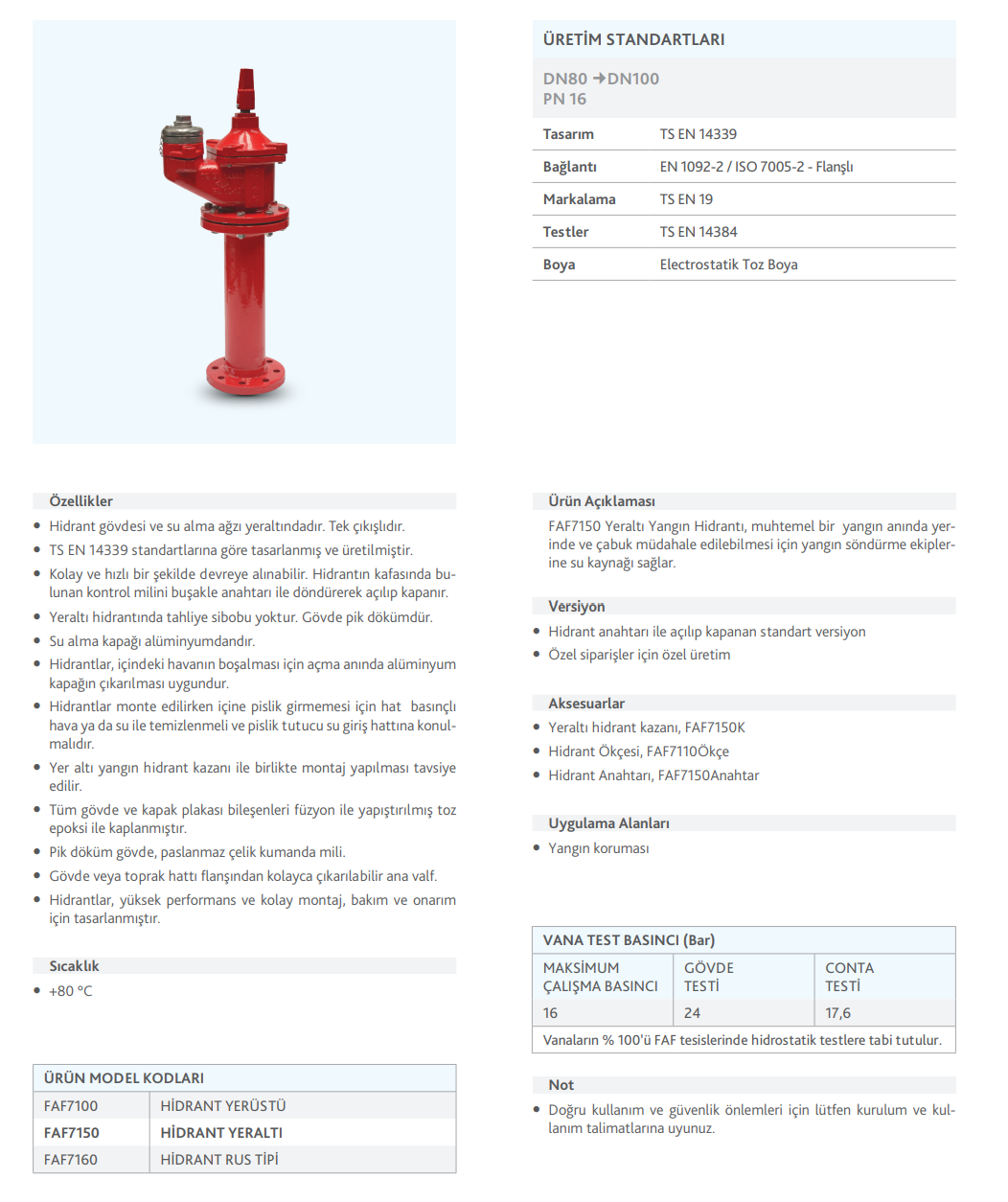
Above-ground fire hydrant is typically a plumbing element used to supply water for firefighting and fire control. These hydrants are commonly used in cities and large buildings. Here are the basic features of an above-ground fire hydrant:
Positioning: Above-ground fire hydrants are usually positioned on sidewalks, along the streets, or outside buildings in a way that they are easily accessible and visible.
Connection Point: The hydrant is connected to a water source to supply firefighting equipment. Typically, it is connected to underground water pipelines.
Connection Standards: Above-ground hydrants generally have connection points that comply with specific standards. These standards should be compatible with the connections commonly used by firefighting teams.
Control Valve: The hydrant has a valve to control the flow of water. These valves can be opened and closed using a handle located next to the hydrant.
Pressure Indicators: Some above-ground hydrants may have indicators showing water pressure. This can assist firefighting teams in assessing water pressure.
Color and Markings: Above-ground fire hydrants typically have distinctive colors and markings. This helps firefighting teams quickly locate the hydrant in emergency situations.
Fire hydrants are strategically placed to facilitate firefighting activities and assist in fire control. Regular maintenance and testing of fire hydrants are important to ensure they function correctly in emergency situations. Compliance with local fire safety standards and regulations is also crucial.
Underground Fire Hydrant
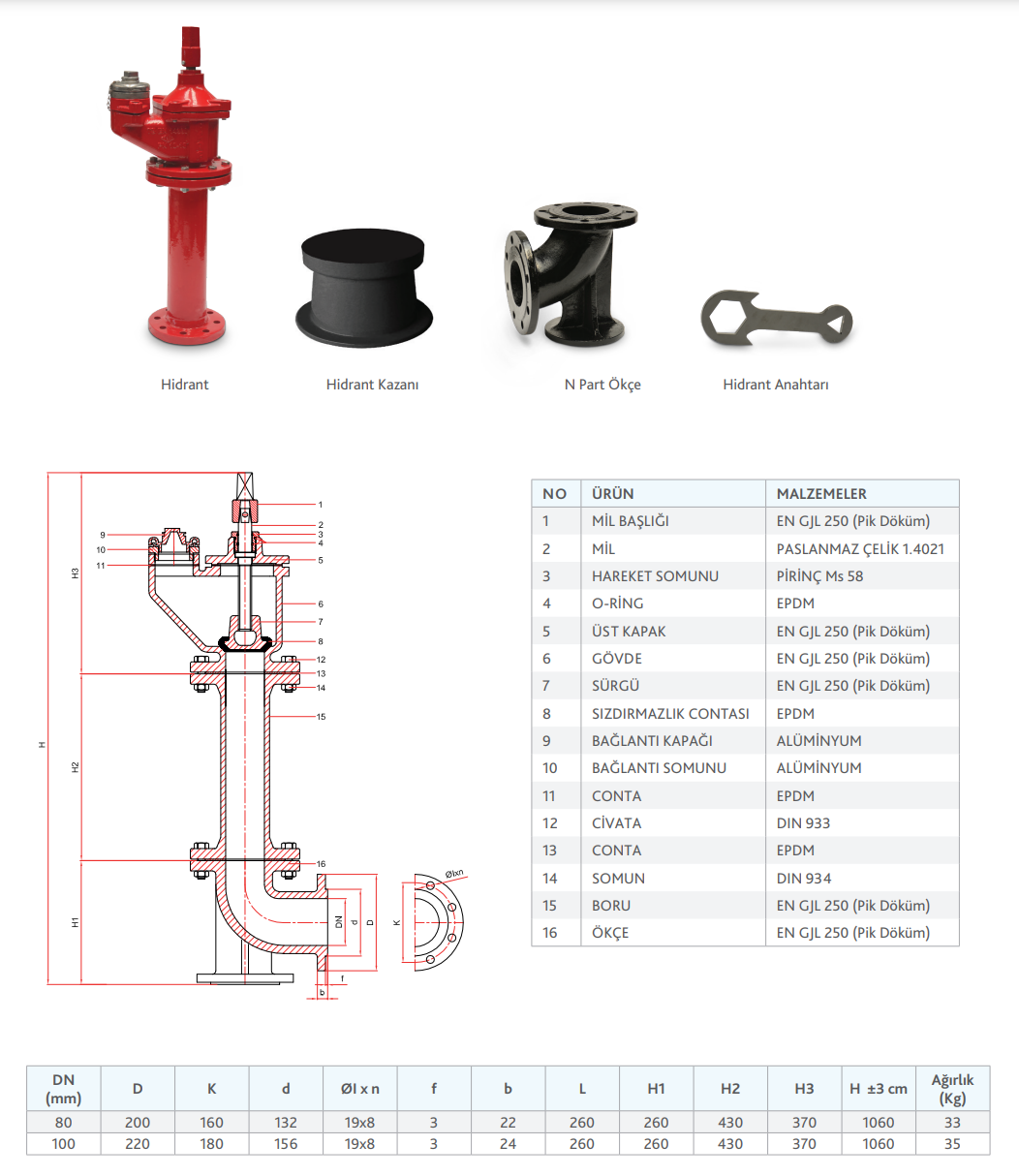
An underground fire hydrant is a plumbing element typically used for the supply of water for firefighting, and it is usually located underground. These hydrants are employed in situations where above-ground hydrants cannot be used or where mounting on the exterior of buildings is not feasible. Here are the fundamental features of an underground fire hydrant:
Underground Positioning: These hydrants are generally located beneath sidewalks, roads, or the surroundings of a building. They can be protected with a cover or another concealable structure.
Underground Water Connection: The hydrant’s underground water connection facilitates the attachment to the underground water pipeline.
Control Valves: Underground hydrants are equipped with special valves to control the flow of water. These valves allow users to open and close the flow of water when using the hydrant.
Outlet Connections: Firefighting equipment connects to the hydrant’s above-ground connection points to receive water. Typically, these connections are compatible with standard fire hoses and nozzles.
Protective Covers: Underground hydrants have protective covers that can be closed when not in use. These covers safeguard the hydrant against environmental factors and prevent leaks.
Color and Markings: Underground fire hydrants are usually marked with a sign or color code that is visible when above ground. This helps firefighting teams quickly locate the hydrant.
Underground fire hydrants are often planned and integrated as part of firefighting systems during infrastructure projects. These hydrants should undergo regular maintenance and testing as part of fire safety measures. Ensuring compliance with local fire safety standards and regulations is essential.
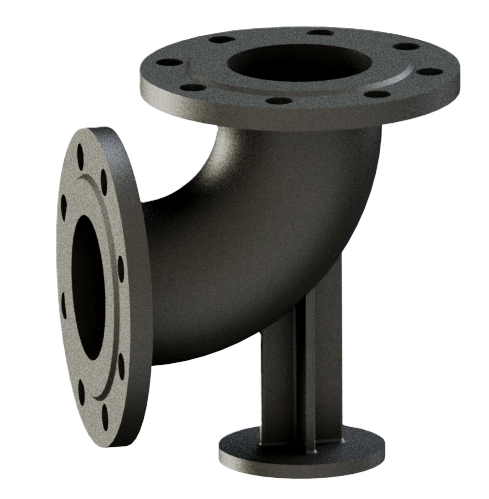
Heel N Piece
Hydrant base, typically refers to a component used to provide extra durability and protection to fire hydrants. Hydrant bases create an additional protective layer against impacts on the ground around the hydrant and various environmental factors. Here are some basic features of a hydrant base:
Material: Hydrant bases are generally made of durable and resistant materials. Steel, cast iron, or polymer materials are commonly used for hydrant bases.
Impact Resistance: Hydrant bases are designed to provide resistance against collisions or other impacts to the hydrant. This is important for protecting hydrants in areas open to traffic.
Installation: Hydrant bases are usually mounted to the base of the hydrant and have various connection points. These connection points are used to securely attach the base to the hydrant.
Color and Markings: Hydrant bases are often painted in distinctive colors and have appropriate markings. This facilitates quick identification of the hydrant’s location.
Environmental Protection: Hydrant bases ensure protection against environmental elements for the hydrant. They can enhance the durability of the hydrant against factors such as snow, rain, dust, and mud.
Various Models: Different types of hydrant bases are available, offering options to adapt to different hydrant models and environmental conditions.
Hydrant bases are commonly used to enhance the durability of hydrants in traffic areas, reduce the impact of accidents, and minimize maintenance costs. The selection of a hydrant base should be based on the environment, the location of the hydrant, and local conditions.
Hydrant Key
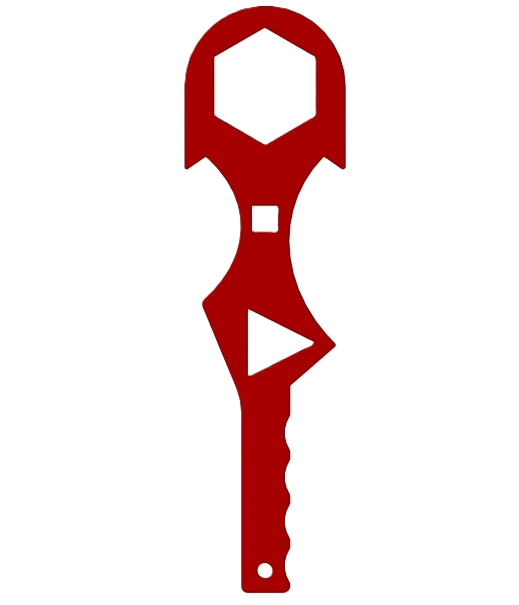
Fire hydrant wrench is a tool commonly used to access and control fire hydrants. These wrenches are used to open or close hydrant valves and are typically utilized by firefighting teams in emergency situations. Here are the key features of a fire hydrant wrench:
Long Handle: The fire hydrant wrench typically comes with a long handle. This long handle is used to access underground or above-ground hydrant valves.
Various Ends: The ends of fire hydrant wrenches can be designed to accommodate different hydrant valves. Various ends are used for opening or closing different types of valves.
Durable Materials: The fire hydrant wrench is usually made of durable materials to withstand daily use and challenging weather conditions.
Ergonomic Design: The fire hydrant wrench often has a user-friendly and ergonomic design. This allows the user to comfortably grip and use the wrench.
Locking Mechanism: Some fire hydrant wrenches may include a special locking mechanism to control locked valve systems. This can help prevent unauthorized use.
Portability: Fire hydrant wrenches can be lightweight and portable to enhance their portability. This feature assists firefighting teams in quickly responding to emergencies.
Fire hydrant wrenches are commonly used by firefighting teams, water companies, or other firefighting professionals. These wrenches are critical for providing rapid and effective access to water sources during firefighting activities.
Would you like to get detailed information about our products and services?
RVL Yangın
You can send us your Quote requests via the offer form.